


Are You Planting Shrubs Too Close Together?
It’s easy to do—plant small shrubs too close together. It can be hard to believe that a 12-inch plant may eventually grow 4–5 feet tall and wide! You might be able to keep it smaller with pruning for a while, but that quickly becomes a lot of work, and the plant often doesn’t look its best when it isn’t allowed to grow to its natural size.
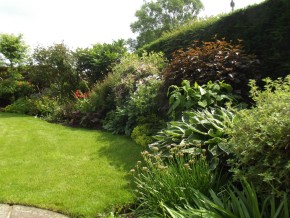
INCORRECTLY SPACED PLANTS
Fill the Space While Your Shrubs Grow
We all love a little instant gratification! Here are some easy ways to create a fuller-looking landscape while waiting for your shrubs to reach their mature size:
• Plant small annual flowers in groupings of three to fill gaps between your shrubs and the edge of the bed. This is also an easy way to add a pop of seasonal color to your landscape.
• Plant small annual flowers in front of your shrubs to create a colorful border.
• Use liriope as an accent plant, either as a border or planted in groupings throughout the bed.
• Plant larger annuals, such as coleus, pentas, and dusty miller, to help temporarily fill some of the empty space while your shrubs mature.
• Mulch your beds! Besides helping retain moisture and suppress weeds, a fresh layer of mulch gives the entire landscape a finished look.
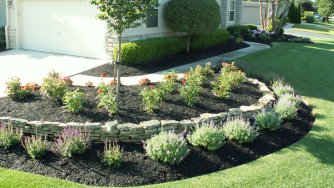
CORRECTLY SPACED PLANTS
Plan for the Plant’s Mature Size
When setting out plants in your flower bed, read the plant tag and plan for the size the plant is expected to reach at maturity. With our long East Texas growing season, many plants can reach the larger end of their expected size range when planted in the right conditions.
Choose plants that won’t require frequent pruning just to “fit” into your space. There are so many different plants, textures, shapes, and sizes to choose from that you can usually find something naturally suited to the area you’re planting.
Remember—Plant Tags Are a Starting Point
Plant tags provide helpful general information, but they don’t always tell the whole story. Growing conditions can vary significantly from one part of the country to another, and a plant may perform differently depending on climate, sunlight, soil, and other conditions.
Our Texas summer heat can be especially important when choosing plants, so don’t be afraid to ask questions if you’re unsure whether a particular plant is right for your space.
Give Your Landscape Room to Grow
Before planting your shrubs, measure your space and plan for future growth. Use annuals, liriope, and mulch to make your beds look fuller while your permanent plants mature.
Give your plants the room they need now, and you’ll have a healthier, more beautiful landscape to enjoy for years to come!