


13 GREAT Groundcovers
Do you have bare spots in your yard where grass just won’t grow? Maybe it’s underneath a large shade tree, along a slope, or in another difficult area. If you answered “YES!” to any of these questions, a groundcover may be just what you need.
What is a groundcover? Simply put, groundcovers are low-growing plants with spreading or creeping habits that can be used to cover areas of soil where traditional lawn grass or larger landscape plants may not be practical.
Groundcovers Can Be Used in So Many Ways
• Mass plantings throughout the landscape
• Adding color and texture to rock gardens
• Filling narrow beds along walkways
• Introducing new colors and textures to garden beds
• Helping stabilize certain slopes and erosion-prone areas
The key is choosing a groundcover that matches the sunlight, moisture, drainage, and growing conditions of the area you want to fill.
Ajuga
Also known as Bugleweed
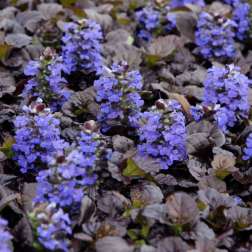
Ajuga is a low-growing perennial with a spreading habit that can quickly create a colorful carpet of foliage. Depending on the variety and winter conditions, its foliage may remain evergreen or semi-evergreen.
Beautiful blue to purple flower spikes rise above the foliage in spring and attract pollinators. Ajuga performs well in part shade and can spread readily, so give it room to grow and keep an eye on it around neighboring plants.
Japanese Ardisia
Also known as Marlberry

Japanese Ardisia is a low-growing evergreen shrub with rich green foliage. Small flowers may appear in spring, followed by decorative berries later in the season.
It prefers shady, moist, well-drained areas and can gradually spread to form colonies, making it useful as a groundcover beneath trees and in other protected shady areas.
Sedge
Also known as Carex

Sedges are grass-like plants that add beautiful texture and movement to the landscape. With so many species and varieties available, foliage can range from deep green to gold, striped, or variegated.
Many Carex varieties perform beautifully in part shade or shade and work well as border edging, mass plantings, or additions to mixed containers. Mature size, moisture needs, and sun tolerance vary by variety, so choose one suited to your particular location.
Coral Bells
Also known as Heuchera

Coral Bells are low-growing perennials grown as much for their beautiful foliage as their delicate flowers. Depending on the variety, leaves may be lime green, burgundy, caramel, silver, purple, or almost black.
Tall, airy flower stalks rise above the foliage during the growing season and can attract pollinators. Coral Bells work beautifully in containers, borders, mass plantings, and shady garden beds.
Here in East Texas, protection from our intense afternoon sun is especially important. Morning sun with afternoon shade or bright filtered shade is generally a better choice than an exposed full-sun location.
Japanese Pachysandra

Japanese Pachysandra is a spreading evergreen groundcover with bold, glossy green foliage. Small white flowers appear in spring, but its dense foliage is the real star of the show.
Pachysandra prefers shade to part shade and performs best in moist, well-drained soil. It can be especially useful beneath trees, along shaded walkways, and in other areas where maintaining turf grass is difficult.
‘Blue Rug’ Juniper
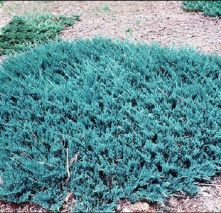
‘Blue Rug’ Juniper is a ground-hugging evergreen with beautiful silvery-blue foliage that may develop a purplish tint during colder weather.
Its low, spreading growth habit makes it a great choice for sunny slopes, rock gardens, borders, or cascading over retaining walls. Once established, it is drought tolerant and relatively low maintenance.
Good drainage is especially important for Junipers. Avoid planting them in areas that remain wet or waterlogged.
Creeping Phlox
Also known as Moss Phlox

Creeping Phlox puts on an incredible spring show when its low-growing foliage becomes covered in colorful star-shaped flowers. Depending on the variety, blooms may be pink, purple, blue-purple, red, or white.
This spreading perennial works beautifully along borders, in rock gardens, on slopes, or cascading over walls. Plant in plenty of sunlight and well-drained soil for the best flowering.
Sedum

Low-growing Sedums are succulent perennials prized for their heat tolerance, interesting foliage, and spreading growth habits. Depending on the variety, foliage may be green, golden, blue-green, red-tinged, or variegated.
Many varieties also produce clusters of small flowers that attract pollinators. Use them in rock gardens, along sunny borders, as groundcovers, or as spillers in containers.
Sedums generally prefer plenty of sunlight and excellent drainage and are drought tolerant once established. Cold hardiness and whether the foliage remains evergreen will vary by variety.
Delosperma
Also known as Ice Plant

Delosperma is a low-growing succulent perennial known for its colorful daisy-like flowers and fleshy foliage. Depending on the variety, blooms may appear in shades of pink, purple, yellow, orange, or other bright colors.
Ice Plant loves sunshine, heat, and very well-drained soil. It works beautifully in rock gardens, along borders, spilling over walls, or in containers. Bloom time and winter foliage can vary depending on the variety and growing conditions.
Standard Mondo Grass

Standard Mondo Grass is an old standby for shady landscapes. This evergreen, grass-like perennial slowly spreads through underground stems to form dense clumps of deep green foliage.
Small flower spikes may appear during the warmer months, sometimes followed by decorative berries. Once established, Mondo Grass requires relatively little maintenance and can be divided as clumps grow larger.
Mass plantings can create the appearance of a lush, deep green carpet in areas where traditional lawn grass struggles. Plant in shade to part shade for best performance.
Asian Jasmine
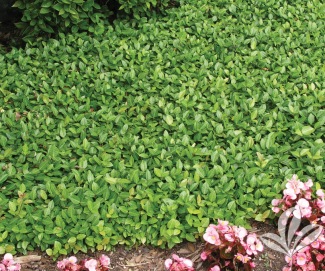
Asian Jasmine is a tough, spreading evergreen vine frequently used as a groundcover throughout the South. Its dense growth makes it useful for covering large areas and helping stabilize slopes.
Once established, it can tolerate a range of growing conditions and can be trimmed periodically to control its height and spread. Asian Jasmine can grow in sun or shade, although growth and appearance may vary depending on the amount of light it receives.
Because it spreads readily, give Asian Jasmine plenty of room and keep it contained where necessary.
English Ivy

English Ivy is a shade-tolerant evergreen vine that spreads along the ground and can root as its stems grow.
Use this plant with caution. English Ivy can spread aggressively and climb trees, walls, and other structures if it isn’t kept under control. When allowed to climb trees, dense growth can create additional stress and maintenance problems.
If you choose to use English Ivy as a groundcover, plant it where its growth can be regularly monitored and contained.
Creeping Thyme

Creeping Thyme is a low-growing, fragrant perennial herb that can form a colorful carpet when covered with tiny pink to purple flowers.
Its compact growth makes it a beautiful choice for rock gardens, between stepping stones, along pathways, or anywhere you want a low-growing flowering accent. Once established, some varieties can tolerate occasional light foot traffic.
Creeping Thyme performs best with plenty of sunlight and excellent drainage. Our East Texas humidity and heavy soils can be challenging if the planting area stays too wet, so choose the location carefully.
Whether you’re trying to cover a shady spot, add color to a slope, soften a walkway, or simply replace an area where grass refuses to cooperate, there’s probably a groundcover that can help! Choose one that matches your sunlight, drainage, and available space, and let it do what groundcovers do best—spread!