


“Which fertilizer should I use for annuals?”
We hear this question all the time: “What kind of fertilizer should I use?” Annuals, perennials, shrubs, and trees all need proper nutrients to grow and stay healthy, but with so many fertilizer choices available, figuring out which one to use can feel a little overwhelming.

Slow-release fertilizers can be a convenient choice for many landscape plants because they provide nutrients gradually over time. But when it comes to actively growing annuals and hanging baskets, you may want a fertilizer that allows you to feed more regularly throughout the growing season.
That’s where water-soluble fertilizer comes in!
What Is Water-Soluble Fertilizer?
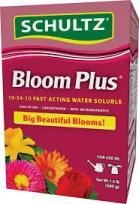
Water-soluble fertilizers are designed to dissolve in water before being applied to your plants. Because the nutrients are readily available, they’re a convenient option for regularly feeding annuals, hanging baskets, and container plants during periods of active growth.
Like other fertilizers, you’ll usually see three numbers prominently displayed on the package. These numbers represent the fertilizer’s N-P-K analysis:
• N = Nitrogen
• P = Phosphorus
• K = Potassium
What Does N-P-K Do?
Nitrogen is an important component of chlorophyll and supports healthy green foliage and vegetative growth.
Phosphorus plays an important role in energy transfer within the plant and supports healthy root development, flowering, and fruiting.
Potassium supports many of the plant’s overall functions, including water regulation, enzyme activity, and the plant’s ability to tolerate environmental stresses.
Plants also require several other nutrients in smaller amounts, so the best fertilizer isn’t necessarily the one with the highest N-P-K numbers. The goal is to provide the nutrients your particular plants need without giving them more than they can use.

How Often Should You Fertilize?
There isn’t one fertilizing schedule that works for every plant or every fertilizer. Annuals and container plants often benefit from regular feeding during active growth, but how frequently you should fertilize depends on the product, plant, growing conditions, and whether other fertilizers are already being used.
Always follow the application rate and frequency listed on your fertilizer label. Applying more fertilizer than recommended won’t necessarily produce a better plant and can actually damage roots and foliage.
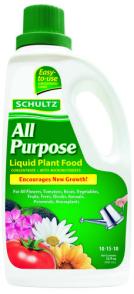
Give Your Plants What They Need
The ultimate goal of fertilizing is simple: provide your plants with the nutrients they need to grow and perform their best. Slow-release, water-soluble, and other types of fertilizers can all have a place in your garden—the key is choosing the right product for the plants you’re feeding.
Your plants will only be as great as the care they receive, and while figuring out the right fertilizer may take a little extra effort, healthier plants and beautiful blooms make it well worth it!
Not sure which fertilizer to choose? Stop by The Home & Garden Center and let us help you find the right one for your annuals, hanging baskets, containers, or landscape plants!