


When Should I Take Down My Hummingbird Feeder?
When should you take your hummingbird feeders down for the year?
You may have heard two very different answers to this question:
• Take your feeders down by mid-September so hummingbirds will begin their migration.
• Leave your feeders up for a couple of weeks after you’ve seen your last hummingbird of the season.
So which one is right? Fortunately, we know a lot more about hummingbird migration today—and leaving your feeder up will not prevent hummingbirds from migrating.
Will a Feeder Keep Hummingbirds From Migrating?
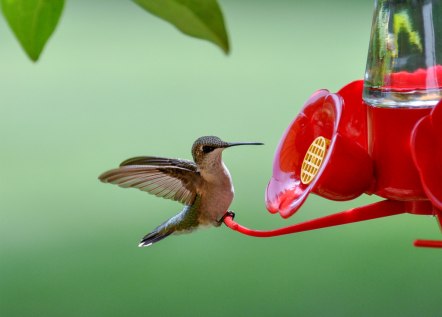
One old theory suggested that hummingbirds began migrating when flowers faded and natural nectar became harder to find. Because of this, some people worried that leaving feeders available would encourage hummingbirds to stay too long and miss their opportunity to migrate south.
Thankfully, you don’t have to worry about your feeder convincing a hummingbird to skip migration.
Migration is driven largely by instinct and seasonal changes, including changing daylight. When it’s time to go, hummingbirds will migrate even when plenty of food is still available.
Leave Those Feeders Up!

Keeping your feeders available during fall migration can actually help hummingbirds by providing an additional place to refuel as they make their long journey south.
Here in Texas, we’re right along an important migration route, so the hummingbirds visiting your feeder in the fall may not even be the same birds you watched throughout the summer. Migrating hummingbirds from farther north can continue passing through after your summer residents have moved on.
A good rule of thumb is to leave your feeders up for at least a couple of weeks after you’ve seen your last hummingbird. There’s no need to rush to take them down on a particular date.
Keep Your Feeders Fresh & Clean
As long as your feeder is hanging, continue maintaining it properly. Replace the sugar water regularly and thoroughly clean the feeder to prevent mold and fermentation.
During warm East Texas weather, nectar can spoil quickly, so it may need to be changed every day or two depending on temperatures and conditions.
Don’t Worry—They Know When It’s Time to Go!
If you enjoy watching hummingbirds, keep those feeders up through fall migration. You aren’t convincing them to stick around—you’re simply providing a convenient refueling stop along the way.
And you never know when one last little traveler might stop by for a meal before continuing its journey south!