
Using Epsom Salts in your Garden
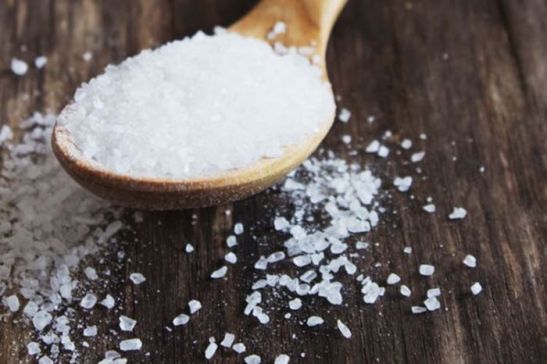
Epsom salt, also known as magnesium sulfate, provides plants with two nutrients: magnesium and sulfur. Both are important for plant growth, but that doesn’t mean every plant or garden will benefit from adding Epsom salt.
Despite its reputation as a cure-all for everything from yellow leaves to poor flowering, Epsom salt should be used only when a plant or soil actually needs additional magnesium. Adding it unnecessarily won’t make healthy plants grow faster, produce more flowers, or automatically become greener.
Does My Plant Need Magnesium?
Magnesium is an essential plant nutrient and plays an important role in chlorophyll and photosynthesis. A magnesium deficiency can sometimes cause yellowing between the veins of older leaves while the veins remain green.
However, yellow leaves aren’t enough to diagnose a magnesium deficiency. Similar symptoms can be caused by watering problems, root damage, soil pH, other nutrient deficiencies, pests, diseases, or environmental stress.
If you’re seeing persistent nutrient-related problems in your landscape or garden, a soil test is a much better place to start than automatically reaching for Epsom salt.
What About Roses, Peppers & Other Garden Plants?
You may have heard that Epsom salt makes roses bloom more, peppers grow larger, seeds germinate faster, or plants become bushier. These claims are commonly repeated, but Epsom salt isn’t a general-purpose fertilizer or a guaranteed bloom booster.
If the soil already contains adequate magnesium, adding more provides little benefit and excessive applications can contribute to nutrient imbalances or allow magnesium to build up or leach into the surrounding environment.
Epsom salt also supplies no nitrogen, phosphorus, or potassium, the three nutrients represented by the familiar N-P-K numbers on fertilizer labels. It should not be used as a replacement for an appropriate fertilizer when one is needed.
Should I Use Epsom Salt on Houseplants?
Don’t routinely add Epsom salt to houseplants or spray it on their leaves simply to make them greener. A quality houseplant fertilizer generally supplies the nutrients the plant needs when used according to its label.
Epsom salt also does not flush fertilizer salts from potting soil. Because magnesium sulfate is itself a soluble salt, adding more isn’t the solution to an existing salt buildup. If fertilizer salts have accumulated, thoroughly leaching the potting mix with plain water—provided the container drains freely—can help remove them.
Should I Use It on Lawns, Trees & Shrubs?
Avoid applying Epsom salt to lawns, trees, shrubs, azaleas, or other landscape plants on a routine schedule unless there is a demonstrated need for magnesium and the application is appropriate for that particular plant and soil.
The same applies when preparing a new garden. There’s no need to automatically mix Epsom salt into the soil before planting. Start with healthy soil, proper planting practices, and a soil test when nutrient or pH information is needed.
Does Epsom Salt Control Garden Pests?
Epsom salt is sometimes promoted as a natural way to deter slugs, voles, and other garden pests, but it shouldn’t be relied upon as a proven pest-control product. Instead, identify the pest you’re dealing with and choose a control method specifically recommended and labeled for that problem.
The Bottom Line
Epsom salt isn’t inherently good or bad for plants—it’s simply a source of magnesium and sulfur. If your soil or plant is actually deficient in magnesium, it may have an appropriate use. If magnesium levels are already sufficient, adding more isn’t likely to provide the dramatic benefits often associated with Epsom salt.
When it comes to plant nutrition, it’s always better to give your plants what they actually need rather than adding something simply because it’s a popular garden remedy.