


Mosquito Madness & How to Avoid it!

Mosquito season is upon us—and they are vicious this year! Do you miss sitting outside on the deck or porch, by the pool, or around the backyard without being eaten alive? While plants alone won’t keep mosquitoes away, there are several wonderfully fragrant plants you can add around outdoor living areas that may help make your space a little less inviting to them.
Can Plants Really Repel Mosquitoes?
You’ve probably heard that certain plants naturally repel mosquitoes. There is some truth behind the idea, but simply having these plants growing nearby isn’t the same as applying a proven mosquito repellent.
Many of these plants contain aromatic oils and compounds that insects may find unpleasant, and their fragrance is strongest when the foliage is brushed, crushed, or otherwise disturbed. Think of them as a beautiful and fragrant addition to your mosquito-control plan rather than your only line of defense.
Mosquito-Repellent Plants to Try
• Scented Geraniums
• Rosemary
• Lemongrass
• Catnip
• Mint
Scented Geranium or “Citronella Plant”

Often sold as a “mosquito plant” or “citronella plant,” this scented geranium gets its nickname from the citrusy fragrance released by its foliage.
Scented geraniums grow well during our warm East Texas summers but appreciate some protection from the intense afternoon sun. Water when the soil begins to dry, then water thoroughly and allow excess moisture to drain.
These plants can grow a couple of feet tall and may produce small pink flowers. Prune them as needed to encourage a fuller, bushier shape. Brushing the foliage releases more of that distinctive fragrance.
Rosemary
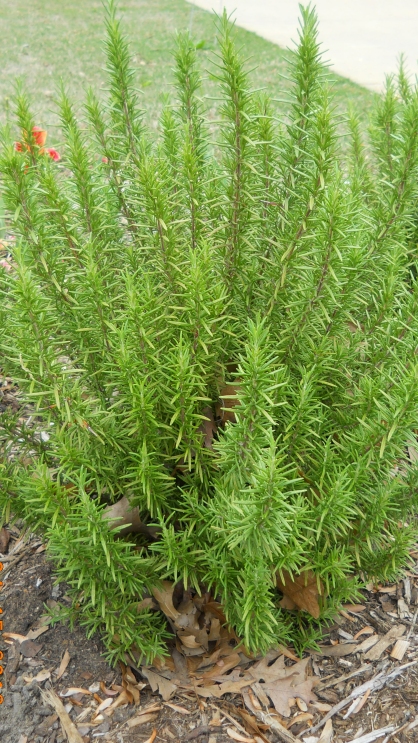
Rosemary isn’t just a useful culinary herb—it also has strongly scented foliage that makes it a great addition to an outdoor living area.
Established rosemary can become a fairly large shrub, so give it plenty of room if you’re planting it in the ground. It loves sunshine and, most importantly, excellent drainage. Once established, rosemary is relatively drought tolerant and doesn’t appreciate constantly wet soil.
Lemongrass
Lemongrass is an edible ornamental grass with a fresh, lemony fragrance. It can grow several feet tall, making it a beautiful choice for large containers or sunny landscape beds.
Lemongrass loves warm weather but is sensitive to freezing temperatures. If you want to keep it from year to year, growing it in a container makes it easier to protect or move indoors when cold weather arrives.
Catnip
Catnip contains an aromatic compound called nepetalactone, which has demonstrated mosquito-repelling properties. Of course, if you have cats, you may discover that your feline friends are much more interested in this plant than the mosquitoes are!
Catmint varieties can also make beautiful landscape plants, producing soft foliage and spikes of blue-purple flowers that attract pollinators.
Mint
Mint has strongly aromatic foliage, and its fragrance becomes especially noticeable when the leaves are brushed or crushed.
Our biggest tip for growing mint? Keep it in a container! Mint grows quickly and spreads aggressively when planted directly in the ground, so pots make it much easier to enjoy without letting it take over your garden.
Don’t Forget the Most Important Step
Plants can be a beautiful part of your outdoor mosquito-control strategy, but one of the best things you can do around your home is eliminate standing water. Regularly empty water from saucers, buckets, toys, clogged gutters, unused containers, and anywhere else mosquitoes may be able to breed.
For personal protection when mosquitoes are active, use an appropriate insect repellent according to its label directions.
Plants can be beneficial in so many different ways, and these fragrant favorites are beautiful additions to patios, porches, and outdoor seating areas. Combine several in containers or throughout your garden and enjoy the wonderful scents—even if those pesky East Texas mosquitoes don’t!