


How to Rid yourself of Snails!
We all know the joy of gardening can occasionally come with a few unwanted visitors. Whether you’re growing vegetables, landscape plants, or container plants, snails and slugs can cause a surprising amount of damage in a short period of time. If you’re not sure whether you have a snail problem—or what to do about it—you’re in the right place!
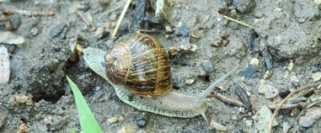
How Do You Know If You Have Snails?
Snails and slugs are most active at night and during cool, damp conditions, which means you may see the damage long before you see the culprit.
They especially enjoy tender young growth and may chew irregular holes in leaves and flowers or feed on seedlings, soft fruits, and other plant material.
One of the easiest clues to spot is the shiny or silvery slime trail they leave behind as they move across plants, mulch, pots, sidewalks, and other surfaces.
Reduce Their Hiding Places
One of the simplest ways to make your garden less inviting to snails and slugs is to reduce the cool, damp hiding places they use during the day.
Remove unnecessary boards, boxes, excessive debris, weeds, fallen plant material, and other objects sitting on the soil where these pests can hide.
You can also check underneath containers, dense groundcovers, and other shady areas where moisture tends to linger.
What About Diatomaceous Earth?
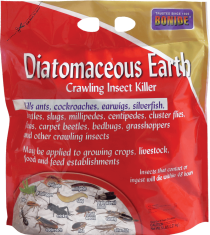
Diatomaceous earth is sometimes used as a physical barrier around plants to help discourage soft-bodied crawling pests. It works through its dry, abrasive properties rather than by poisoning the pest.
However, diatomaceous earth is much less effective once it becomes wet, so rain or irrigation may mean it needs to be reapplied according to the product label. Avoid breathing the dust during application, and only use a product labeled for the intended garden or pest-control use.
Using Snail & Slug Baits
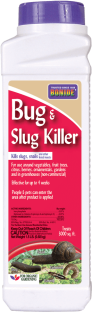
Another option is a bait specifically labeled for snail and slug control. Products containing active ingredients such as iron phosphate are commonly available for use around gardens and landscape plants.
Different products contain different active ingredients and have different directions for use, so always read the entire label before applying any snail or slug control product. Pay particular attention to instructions for use around edible plants, children, pets, and wildlife.
A Few More Snail-Control Tips
• Water earlier in the day when possible. This gives the soil surface and foliage more time to dry before snails and slugs become active at night.
• Check your garden after dark. A flashlight can help you find snails and slugs while they’re actively feeding, making hand removal much easier.
• Protect tender new plants. Seedlings and fresh growth can be particularly appealing to these pests, so keep a closer eye on newly planted areas.
• Keep the garden tidy. Reducing excessive debris and hiding places can make your landscape less hospitable to large snail and slug populations.
Enjoy Your Plants Again!
Snails and slugs can be frustrating, but a combination of good garden cleanup, reducing hiding places, hand removal, and an appropriately labeled control product can help keep their numbers—and the damage they cause—under control.
Not sure what’s chewing on your plants? Stop by The Home & Garden Center with a few clear photos of the damage, and we’ll help you identify the problem and find the right solution!