


How to fertilize palms the RIGHT way!

What Do Your Palms Need to Stay Healthy?
Healthy palms need the right balance of nutrients, including nitrogen, phosphorus, potassium, magnesium, manganese, and iron. Nutrient deficiencies can show up as yellowing, discoloration, spotting, or other changes in the fronds.
For best results, choose a fertilizer labeled for palms and follow the application directions on the package. A palm-specific fertilizer that includes important micronutrients can help prevent some of the nutritional problems commonly seen in palms.
Establishing a New Palm
1. Pay close attention to watering. Newly planted palms need consistent moisture while their root systems become established. Water deeply after planting and monitor the soil regularly, adjusting your watering schedule based on rainfall, temperature, soil drainage, and the needs of the particular palm.
2. Keep fertilizer away from the trunk. Never pile fertilizer directly against the base of your palm. Instead, distribute it evenly over the surrounding root zone according to the product label.
3. Give your palm time to settle in. Avoid heavily fertilizing a newly planted palm immediately after planting. Once it begins establishing, follow the recommendations for your particular palm and fertilizer product.
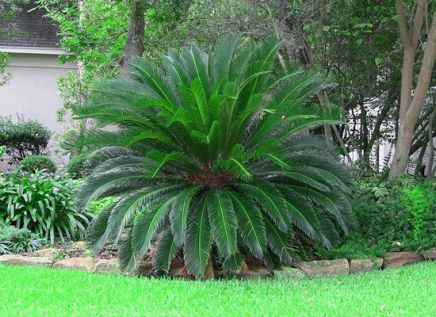
Fertilizing Palms: DO
• DO read the fertilizer label thoroughly. Different products have different application rates and schedules, so always follow the directions for the fertilizer you’re using.
• DO apply fertilizer to moist soil and water as directed. Avoid applying concentrated fertilizer to extremely dry soil, which can increase the risk of root injury.
• DO choose a fertilizer that provides the nutrients palms need. Look for a fertilizer formulated for palms that includes important micronutrients such as magnesium, manganese, and iron.
• DO distribute fertilizer evenly. Spread the recommended amount throughout the root zone rather than concentrating it in one spot near the trunk.
• DO follow the recommended feeding schedule. How often your palm needs fertilizer depends on the species, growing conditions, and fertilizer you’re using.
• DO keep the area around your palm maintained. Keeping turf and weeds from growing directly against the trunk can reduce competition and make watering, fertilizing, and inspecting your palm easier.
• DO pay attention to your palm’s appearance. Yellowing or damaged fronds can have several causes, including nutrient deficiencies, watering problems, pests, disease, or cold damage. Identifying the cause before adding more fertilizer can save you—and your palm—a lot of trouble!
Fertilizing Palms: DON’T
• DON’T over-fertilize. More fertilizer does not mean faster or healthier growth. Too much can damage roots and foliage.
• DON’T dump fertilizer into the crown. Granular fertilizer should never be poured directly into the center of the palm.
• DON’T pile fertilizer against the trunk. Apply it evenly throughout the recommended root area instead.
• DON’T substitute a high-nitrogen lawn fertilizer for a palm fertilizer. Palms have specific nutritional needs, and repeatedly using an unbalanced fertilizer can contribute to nutrient problems.
• DON’T put concentrated fertilizer directly against the roots when planting or repotting. This can damage tender roots.
• DON’T add fresh manure directly to the planting hole. High concentrations of salts and nutrients can injure newly planted roots.
• DON’T leave fertilizer exposed to moisture while it’s being stored. Keep bags tightly closed and protected from rain and humidity.
A Little Palm Care Goes a Long Way!
The right fertilizer, proper watering, and a little attention to your palm’s growing conditions can go a long way toward keeping it healthy and beautiful.
Not sure what your palm needs? Stop by The Home & Garden Center and let us help you find the right products for your palms and your East Texas landscape!