


Houseplant Care Series: Cleaning
Keeping your houseplants looking healthy year-round takes just a little bit of “housekeeping.”
It doesn’t take long for dust to collect on houseplant leaves. A heavy layer of dust can reduce the amount of light reaching the leaf surface and interfere with the plant’s ability to photosynthesize efficiently. Clean foliage also makes it easier to spot pests or other problems before they get out of hand.
How often should you clean your plants? There’s no set schedule. Simply check the leaves periodically—if you can see or feel a layer of dust, it’s probably time for a little cleaning!
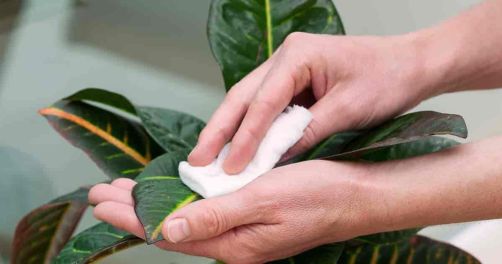
Leaf Cleaning Options
• Give Them a Shower – For plants that tolerate wet foliage, move them to the sink or shower and gently rinse the leaves with lukewarm water. Avoid very hot or cold water, and allow excess water to drain thoroughly afterward.
• Wipe the Leaves – For plants with smooth, sturdy foliage, use a soft damp cloth to gently wipe dust from each leaf. Support larger leaves with your hand while cleaning to avoid accidentally damaging them.
• Dust the Leaves – If you clean regularly, a soft duster or dry microfiber cloth can remove light surface dust between more thorough cleanings.
• Brush Fuzzy Leaves – Plants with fuzzy or textured foliage may not appreciate having their leaves soaked or wiped. Instead, use a clean, soft brush to gently remove dust without damaging the tiny hairs on the leaves.
Quick Tip: Plain water is usually all you need. Avoid using household cleaners, oils, mayonnaise, or other homemade “leaf shine” remedies on your plants. If you choose a commercial leaf-cleaning product, make sure it is labeled as safe for your particular type of plant.
Give Your Plants a Little Trim
• Remove leaves that are completely dead, brown, or yellowing.
• Some dead leaves may come away easily with a gentle tug, while others should be removed with clean scissors or pruners.
• Brown leaf tips can be carefully trimmed for appearance if you’d like. Follow the natural shape of the leaf rather than cutting straight across it.
• If you notice a lot of yellowing, browning, or damaged foliage at once, don’t assume trimming is the solution. Check your watering, light, drainage, humidity, and the plant for signs of pests or disease.
Always use clean, sharp scissors or pruners when cutting healthy plant tissue.
Don’t Ignore the Pot!
• Wipe dust and dirt from the outside of the container.
• Remove and clean saucers periodically, especially if they have accumulated soil, algae, or mineral deposits.
• White, crusty buildup on the pot or soil surface may be caused by mineral deposits from water or accumulated fertilizer salts.
• Make sure drainage holes remain open and never allow your houseplant to sit in standing water for extended periods.
A Little Housekeeping Goes a Long Way
Clean leaves, a little occasional trimming, and a tidy container can keep your houseplants looking their best—and give you the perfect opportunity to check in on their overall health while you’re at it!