


Getting Ready for Spring!
Here are some things you can do now to help your lawn and garden look their best this coming spring!
1. Get Your Tools Ready
The right tool for the job can make the difference between a project taking an hour or taking all day.
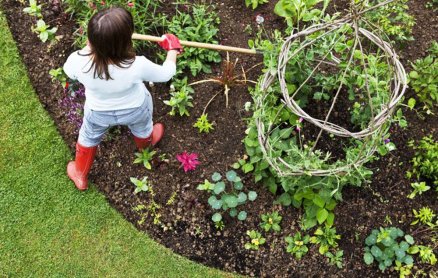
The tools you need will depend on what you want to accomplish in your garden, but here are some of the basics:
• Large and/or small clippers for trimming large branches and pruning smaller plants
• Gardening gloves
• Shovel and, if needed, a wheelbarrow for moving larger objects and soil
• Hand trowel for digging smaller holes and loosening and spreading soil
• Large rake and/or hand rake for clearing your garden, loosening soil, and cleaning plant beds
• Knee pads so you can garden longer and more comfortably
2. Prepare Your Soil
You might not be able to plant that vegetable garden or those Gerbera daisies you’re looking forward to just yet, but you can prepare for them! Good soil can make the difference between a thriving garden and a struggling one.
3. Clear Your Lawn & Garden
It’s better to tackle this now than put it off until spring. Rake your lawn and garden to clear away debris and dead plant material left from winter. Healthy, disease-free plant material can be added to your compost pile.
4. Prep Your Perennials
If you didn’t already do so in the fall, prune the perennials that need it. If you’re unsure whether a plant needs trimming, email us a photo at email@thgc.net, and we’ll be happy to help.
5. Weed
Take care of weeds while the topsoil is still damp and before they have a chance to produce seeds and spread throughout other areas of your lawn and garden.
Avoid adding weeds that have gone to seed to your compost pile, where those seeds could eventually find their way back into your garden.
This is also a good time to apply a pre-emergent to help prevent certain weed seeds from successfully germinating and becoming established.
6. Mulch, Mulch, Mulch
Mulch is one of the best additions you can make to your garden beds. It helps conserve moisture, moderate soil temperatures, suppress weeds, and—when using organic mulch—gradually adds organic matter to the soil as it breaks down.
7. Add the Finishing Edge
An often-overlooked step, edging your garden is like getting a trim between haircuts—it simply makes everything look more polished and put together.
A clean edge, especially along borders and between flower beds and your lawn, is that finishing touch that can instantly elevate the look of your landscape.
Now that everything’s ready, all that’s left to do is wait for that moment when you can plunge your hands back into the soil!