


Fruit Trees
Simply put, container-grown trees are more mature than bare-root trees, and their root systems and branches are much better developed.
Why is that important? The roots supply the plant with nutrients, water, and oxygen, while the branches are where the fruit grows. A larger root ball helps the tree establish itself more quickly with less stress and enables it to survive our hot East Texas summers better.
A bare-root tree has fewer roots, and those roots have been cut prior to packaging. Most bare-root trees also have a thinner main trunk, called a whip, with fewer branches. It takes time for a bare-root tree to “catch up” or become equal in size and development to a container-grown tree.
Yes, a container-grown tree costs more, but you get what you pay for—a larger, more established tree that can produce fruit sooner than a bare-root tree.
You can also plant container-grown fruit trees year-round, whereas bare-root trees should only be planted during the cooler weather from December through March.
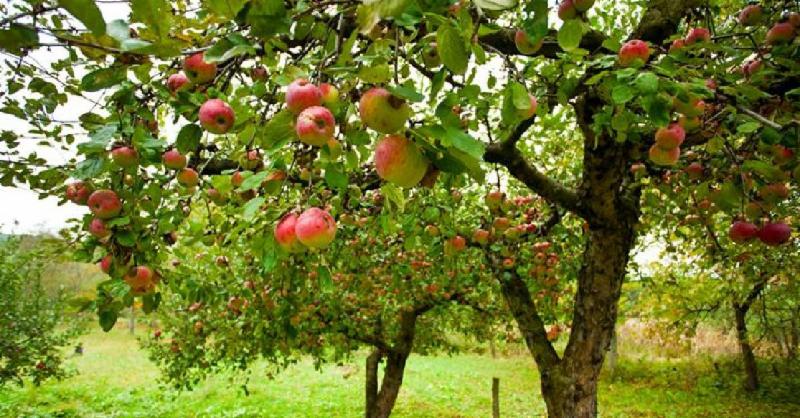
Pruning Your Fruit Trees
Fruit trees require yearly pruning to help maximize fruit production. A helpful article covering the different pruning methods used for a variety of fruit trees can be found here.
We stock varieties that perform well in our area, and I look forward to helping you with your fruit tree selection.