


Hello FALL!
Did you know that although Spring is the most popular time to plant shrubs and trees, fall is the best time to do so? Summer’s heat is over, the soil is still warm – actually warmer than in the spring – and the soaking rains of winter will soon arrive. This means deep root growth will occur quickly on shrubs and trees planted in the cooler months of the year.
Why is deep root growth important?
Roots gather nutrients and water for plants and trees, so the better the root system the more nutrients and water the plant receives – thus appearing lusher and healthier. Plants planted now get a head start since they are able to concentrate their energy mostly on root growth during the cooler months. Healthier plants are the result of planting in the fall. The same plant planted in spring gets a slower start due to spending energy on both root growth, foliage and flower growth. Also, the cool weather planted plants are better established when summer arrives and can better deal with the heat, largely due to the well established root system.
Plant Cool Season Annuals
Now even though it is hard to pull up good looking summer annuals. If you wait much longer the pansies and other winter annuals will not establish well enough to perform to their fullest. So plant pansies, violas, snap dragons, stock, ornamental cabbage and kale so you will have a colorful winter landscape.
Mums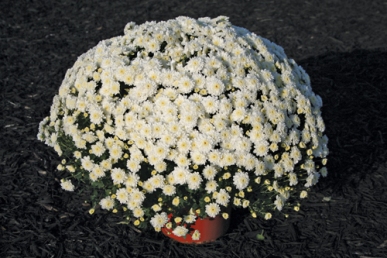
Whether planted in containers, or in the garden, Mums are fall-fabulous perennials! Here are some tips to help your Mums perform their best!
Location
Choose a spot that gets at least four to six hours of sun a day. Plants that don’t get enough sunlight will be tall and leggy and produce fewer, smaller flowers.
Soil preparation
Mums thrive in well-drained soil. Heavy clay soil should be amended. If the soil is too dense, add garden soil and prepare to a depth of 8-12 inches for best performance. Mums’ roots are shallow, and they don’t like competition. Plant mums no deeper than they were in the nursery pot, being careful with the roots as you spread them.
Watering
Water newly planted mums thoroughly, and never let them wilt. After they are established, give mums about an inch of water per week. When bottom leaves look limp or start to turn brown, water more often.
Do not water from the top of the foliage. Water underneath it.
Overwintering
Prepare mums for winter after the first hard frost. Mulch up to 4 inches with straw or shredded mulch. Fill around the entire plant, spreading well between branches. Pinch off dead blooms to clean up the plant, but leave branches intact. Mums have a better chance of surviving if you wait to prune old stems until spring. As soon as the weather warms, pull away mulch to allow new shoots to pop up.
Pansies
 These little guys love the cold and can last all through winter and even well into spring! Get the most out of your pansies!
Position
For good flowering, pansies need a sunny position and, at a minimum, they have sun for at least half the day. Pansies can get spindly and won’t flower well in full shade.
Watering
Pansies enjoy being moist but not sopping wet.
Feeding
Pansies are what some call “heavy eaters”. Bone or blood meal works wonders for these guys or give them a dose of Miracle Grow, or an all-purpose fertilizer, when watering.
Care
Remove faded/dead flowers at the base of the stem to prolong blooming and encourage more flowers to grow.
Taking these steps will help ensure your pansies perform their best!